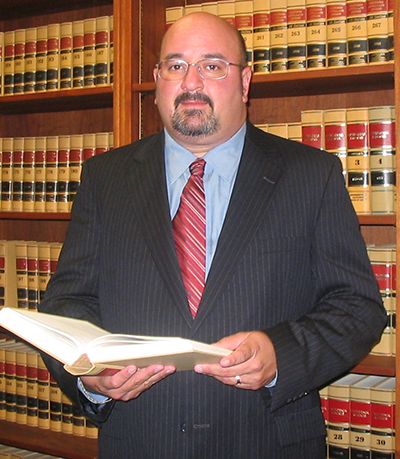

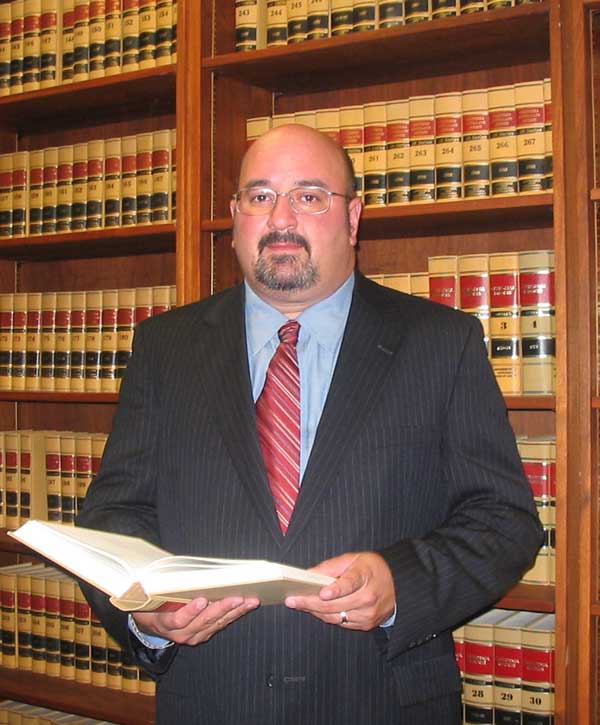
Charles M. Green, Esq.,CPA
At Charles M. Green, APLC, our Los Angeles child custody lawyers understand that navigating a family law dispute can be one of the most stressful and emotional experiences of your life. When your future, finances, and children are at stake, every decision matters. During these difficult times, the guidance of an experienced and financially skilled family law attorney can make all the difference in protecting what’s most important to you.
For over twenty-five years, Certified Family Law Specialist Charles M. Green, Esq.,CPA has combined his profound legal knowledge with his background as a certified CPA to deliver practical, strategic solutions for complex divorces and custody cases across Los Angeles.
Our firm provides focused, financially informed representation that blends professionalism with compassion. Every case receives the personal attention and analytical depth it deserves, ensuring that clients understand their options and feel supported throughout every stage of the process.
We invite you to schedule a confidential consultation. We’ll listen to your goals, explain your legal options, and develop a tailored strategy to help secure your future..
When parents separate, the questions that keep you awake at night aren’t abstract legal concepts—they’re deeply personal fears about your child’s life and your role in it. Will you be there for school drop-offs? Who decides about summer camp or mental health counseling if your child struggles? What happens if your ex spouse wants to relocate?
In Los Angeles County, where family courts handle more than 30,000 custody cases annually, these concerns warrant more than generic legal advice. Child custody disputes require an attorney who understands both the emotional weight of what you’re facing and the strategic complexity of California court procedures.
I’ve spent 27+ years representing parents in LA County family courts—from Stanley Mosk Courthouse to Norwalk—and I understand that every custody matter affects not just your parental rights but your children’s future well being. My approach combines aggressive advocacy when necessary with the financial expertise of being both a Certified Family Law Specialist and a licensed CPA, ensuring that, whether your case involves straightforward visitation issues or complex business assets, you have representation equipped to secure the best possible outcome.
When selecting among Los Angeles child custody attorneys, you need someone whose qualifications match the complexity of your situation. Here’s what sets my practice apart:
27+ Years of Courtroom Experience – I’ve tried child custody cases across every LA County family court, developing deep knowledge of local judges’ preferences and procedures that helps avoid costly missteps
Certified California Family Law Specialist (CFLS) – Only 10% of California family attorneys earn this certification from the State Bar, requiring demonstrated expertise and ongoing education in family law
Licensed CPA with Financial Expertise – Most child custody lawyers rely on outside financial experts for complex income analysis or business valuation—I perform this work directly, identifying hidden income and ensuring accurate child support calculations
Bilingual Services for Diverse LA Families – My Spanish-speaking staff ensures that 40% of Los Angeles families whose first language isn’t English receive the same quality representation and clear communication
Strategic Flexibility – I pursue negotiated settlements through mediation when it serves your interests, but I’m always prepared to litigate aggressively when the other parent won’t be reasonable
With my dual credentials, you get the legal ability to fight for your parental rights combined with the financial acumen to protect your economic interests—critical in a city where many custody cases involve business ownership, entertainment income, or complex compensation structures.
Understanding what to expect reduces anxiety and helps you prepare effectively for your child custody case.
Step 1: Confidential Case Evaluation
Your case begins with a consultation at my Wilshire Boulevard office where we’ll discuss your specific situation in detail. I’ll review your current custody arrangement or pending divorce case, assess the many factors that LA County judges consider in determining child custody, and give you an honest evaluation of your options. Whether you’re dealing with an initial custody determination or need to modify an existing order, this first meeting establishes the foundation for your strategy.
Step 2: Develop Your Custody Strategy
Based on your goals and circumstances, I’ll create a comprehensive parenting plan addressing both legal and physical custody preferences. My CPA background becomes particularly valuable here—I analyze financial considerations, including child support calculations using California’s guideline formula, tax implications of different custody arrangements, and how business income or investment assets affect your case. We’ll prepare documentation demonstrating your parental involvement, emotional ties with your children, and overall fitness as a parent.
Step 3: Pursue Resolution Through Negotiation or Litigation
Many child custody matters resolve through LA County’s mandatory Child Custody Recommending Counseling (CCRC) mediation program, in which courts adopt mediated agreements in approximately 80-90% of uncontested cases. I’ll advocate effectively in mediation while preparing for trial if the other party refuses reasonable terms. When litigation becomes necessary, I represent you aggressively in LA County Superior Court, securing orders that protect your rights and serve your children’s best interests.
Choosing among custody lawyers requires understanding what specific advantages an attorney brings to your case.
California Family Code governs all child custody matters in Los Angeles. Understanding these principles helps you participate effectively in your case.
California law divides custody into two distinct categories, each of which can be awarded jointly or solely:
Legal custody refers to decision-making authority over major aspects of your minor child’s life: education choices, healthcare decisions, religious upbringing, and participation in extracurricular activities. Joint legal custody means parents share important decision-making authority; sole legal custody means only one parent has this responsibility.
Physical custody determines where your child lives and establishes parenting time schedules. Joint physical custody means children spend significant time with both parents, while sole physical custody means the child lives primarily with one parent, while the noncustodial parent typically receives visitation rights.
MOve away casesare among the most contested custody disputes in California family court. When one parent seeks to relocate with a child—whether across the state or out of California—courts apply strict legal standards under the Burgess and LaMusga rulings to determine whether the move serves the child’s best interests. These cases require strategic preparation, including evidence of how the move impacts the child’s stability, education, and relationship with the non-relocating parent.
Visitation—legally called “parenting time” in California—determines when the non-custodial parent spends time with their child. Courts establish visitation schedules based on the child’s best interests, considering factors like each parent’s work schedule, the child’s age, and the distance between households. Standard visitation often includes alternating weekends, midweek overnights, and shared holidays.
When parents cannot agree, courts may order supervised visitation if safety concerns exist—such as substance abuse, domestic violence, or a parent’s prolonged absence from the child’s life. A skilled custody attorney helps you pursue a visitation schedule that protects your parent-child relationship while addressing the court’s concerns.
California courts recognize that family circumstances change. A custody judgment modifications allow either parent to request changes to an existing court order when significant circumstances affect the child’s welfare. Common triggers include parental relocation, changes in work schedules, a child’s evolving needs, or concerns about safety in the current arrangement.
To modify custody, you must file a Request for Order (FL-300) and demonstrate that the proposed change serves the child’s best interests under Family Code §3022. Courts do not grant modifications based on minor disagreements or convenience—the change must be substantial and documented. An experienced family law attorney strengthens your case by presenting clear evidence and anticipating the other parent’s objections.
Los Angeles County courts apply presumptions favoring frequent and continuing contact with both parents. Joint custody arrangements are ordered in approximately 85% of cases where no evidence suggests it would harm the child’s welfare.
California Family Code Section 3011 sets out the factors that LA County judges consider when determining child custody. The court will decide based on:
Courts also examine each parent’s stability and ability to provide consistent care. My role is to present evidence demonstrating your strengths across these factors and to address any concerns the other parent raises about your fitness.
Most child custody cases in Los Angeles County resolve within 12–18 months from filing to final orders. Cases settled through mediation often conclude in 6–9 months. Contested cases requiring trial may extend beyond 24 months. Early legal strategy significantly affects both timeline and cost.
Yes. California courts allow custody modifications when a parent demonstrates a significant change in circumstances affecting the child’s welfare. Common grounds include parental relocation, substantial changes in work schedules, or safety concerns. Courts evaluate all modification requests under the child’s best interest standard per Family Code §3022.
Custody order violations in California can result in contempt of court proceedings. Courts may impose fines, award makeup parenting time, modify the custody arrangement, or order jail time in serious cases. Documenting each violation with dates, communications, and witnesses strengthens enforcement actions.
Physical custody directly impacts child support calculations in California. The state’s guideline formula considers each parent’s income and their percentage of parenting time. Generally, increased custodial time reduces support obligations, though the calculation is nonlinear and varies based on income levels.
Yes—even amicable custody agreements benefit from attorney review. Your agreement becomes a binding court order governing your family for years. A family law attorney ensures the agreement addresses future contingencies, complies with California legal requirements, and protects your parental rights long-term.
California courts apply heightened scrutiny to move-away custody cases under the Burgess and LaMusga standards. The relocating parent must show the move serves the child’s best interests, weighing factors like educational opportunity, family support, and impact on the non-moving parent’s relationship. Courts may deny relocation requests that substantially harm the child’s relationship with the other parent.